
How AI Is Changing the First Step of Estate Planning, Not the Last
Double-click to edit...
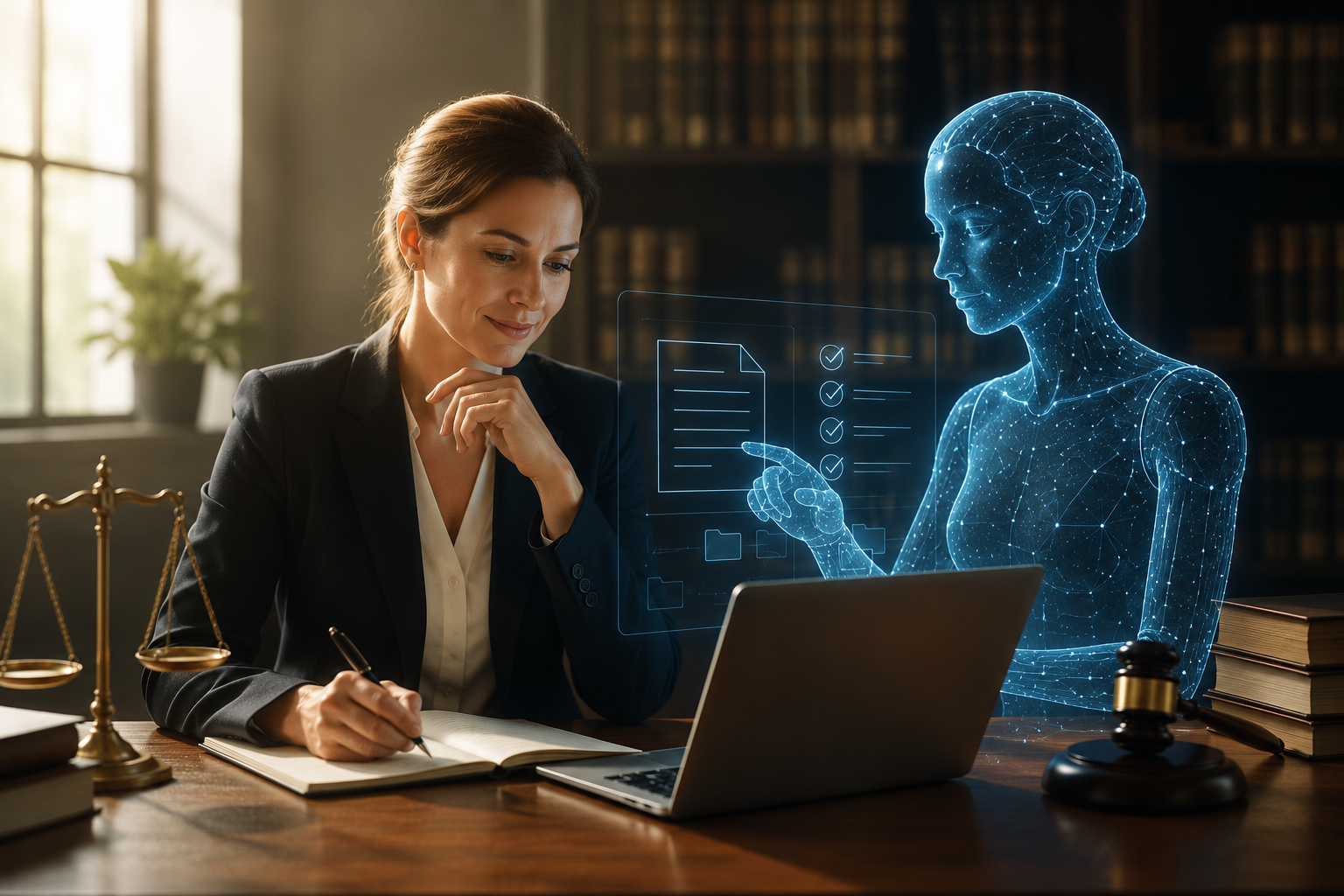
Diane had been meaning to get her estate plan done for three years.
At 54, she wasn't procrastinating out of denial — she just didn't know where to start. Two rental properties, a 401(k) from her old job, a newer one from her current job, a blended family with stepchildren she loved as her own, and a nagging feeling that "someday" kept slipping further away. Every time she pictured the first meeting with an attorney, she imagined sitting there blank-faced, unable to answer basic questions about her own assets.
So one Sunday afternoon, she opened an AI chatbot and started typing. What accounts do I even have? What's the difference between a will and a trust? What questions should I be asking a lawyer? An hour later, she had a rough list of her assets, a plain-English explanation of terms she'd been nodding along to for years, and a page of real questions.
She walked into her first meeting at DeCosimo Law prepared instead of paralyzed. That's the good news about AI in estate planning right now — and it's worth talking about honestly, including where it stops being helpful.
What AI Is Actually Good At
Used the way Diane used it, AI can be a genuinely useful warm-up act. It's good at:
Organizing scattered information. Listing out accounts, properties, and beneficiaries before a meeting so you're not trying to recall it all on the spot.
Translating legal vocabulary. Getting a plain-language explanation of terms like "pour-over will," "successor trustee," or "per stirpes" so you walk in already oriented.
Generating a starting list of questions. Especially useful if you don't know what you don't know yet.
None of this replaces legal advice. It's homework. And homework, done well, makes the actual appointment more productive — you spend your time on decisions, not definitions.
Where the Attorney Becomes Irreplaceable
Here's where it gets important, especially in California, where the rules are more specific than most people assume.
Formal execution requirements matter. A will in California isn't valid just because it says what you want it to say. Under Probate Code § 6110, a written will generally must be signed and witnessed by two people who understand that the document is the testator's will. California law does provide limited exceptions for certain defects in execution, but relying on those exceptions can mean leaving important questions for a probate court to resolve.
California also recognizes holographic wills under Probate Code § 6111. A holographic will can be valid without witnesses if the signature and material provisions are in the testator's handwriting. A date is not always required, although the absence of one can create significant issues in certain circumstances.
The larger point is that a document that "looks right" and a document that will actually be recognized as a valid will are not necessarily the same thing. Whether a particular document satisfies California law can depend on how it was prepared, signed, and executed—not simply on whether the words themselves appear correct.
AI doesn't know your family, and it doesn't know the courtroom. It can't weigh whether your stepson should be treated the same as your biological children under your specific goals, whether a trust makes more sense than a will given your properties, or how a local probate court tends to interpret ambiguous language. That's not a data problem — it's judgment built on experience with real families and real California courts.
What you type into a public AI tool isn't protected the way a conversation with your attorney is. When you talk to your lawyer, that conversation is shielded by attorney-client privilege. A conversation with a general AI tool doesn't carry that same protection — which matters if your estate is ever contested down the road and someone wants to know what you were really thinking when you made a decision. Working through the emotional or strategic parts of your planning is exactly the kind of conversation that belongs with your attorney, not a chat window.
How This Actually Works at a Firm Like Ours
This isn't an argument against AI, it's an argument for using each tool for what it's good at. At DeCosimo Law, that means clients are welcome to come in having already done some AI-assisted homework, the way Diane did. It speeds things up. What doesn't change is what happens next: every document, every strategy decision, and every California-specific compliance detail is reviewed and finalized by an actual attorney who knows how local courts read these documents and how families like yours actually function.
Diane left her first meeting with a plan that reflected her real family, not a generic template, because the AI helped her get organized, and the attorney did the part that actually protects her.
Ready to Get Prepared, Not Overwhelmed?
If you've been putting off estate planning because it feels like too much to organize, you're not alone — and you don't have to have it all figured out before you reach out. Whether you come in with a list already started or walk in with just your questions, we'll meet you where you are.
This article is provided for general educational purposes only and does not constitute legal or tax advice. Estate planning and tax laws are complex, and every family's circumstances are different. Please consult with a qualified estate planning attorney and tax professional regarding your individual situation.